5 Chiplets Design Challenges Hampering Wider Take-off

Chiplets promise a way to deliver steady increases in compute capacity and I/O bandwidth by mixing and matching multiple dies (also called chiplets) to rapidly build larger, more powerful semiconductor systems.
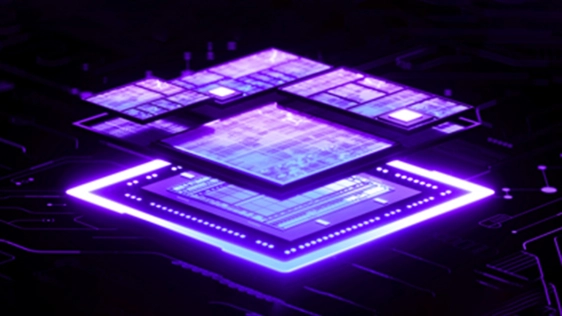 However, the only chiplets area that has been successful thus far is JEDEC standard-based HBM modules. There has also been some progress with UCIe standard enhancements. But it’s not enough to support the compute and I/O needs of the latest AI-driven systems and high-performance computing (HPC) applications.
So, what’s holding back chiplets for a wider take-off? Below is a sneak peek at key chiplet design and integration issues and decisions facing system designers. That follows a holistic solution to confronting chiplets-related issues with an end-to-end design approach from a support perspective.
To read the full article, click here
Related Chiplet
- DPIQ Tx PICs
- IMDD Tx PICs
- Near-Packaged Optics (NPO) Chiplet Solution
- High Performance Droplet
- Interconnect Chiplet
Related Blogs
- How to Make Chiplets a Viable Market
- Chiplet Summit 2024: Opportunities, Challenges, and the Path Forward for Chiplets
- The Automotive Industry's Next Leap: Why Chiplets Are the Fuel for Innovation
- Securing the New Frontier: Chiplets & Hardware Security Challenges
Latest Blogs
- Addressing AI and Advanced Packaging Challenges with Synopsys 3DIO PHY
- Ultra-high repeatability and ultra-low insertion loss wafer and die-level visible-range E-PIC device characterization using an MPI Corp. probe system, enabled by process optimization from Quantum Transistors
- The Changing ASICs Landscape: the Shift Toward Chip Disaggregation
- Topology and Data Movement in Multi-Die Design
- How to Streamline Your Advanced Package (Chiplet, 3DIC) Interconnect Designs